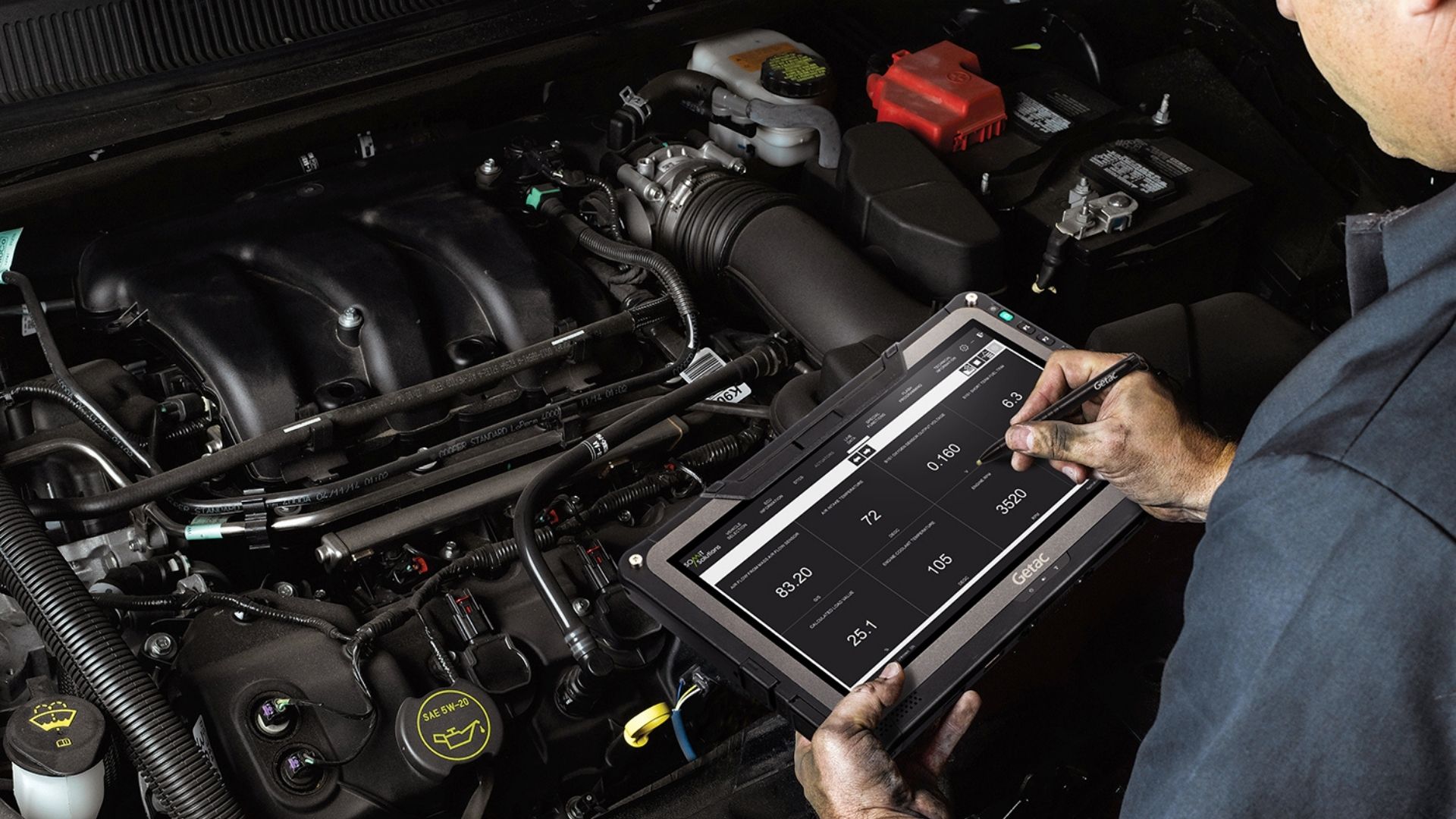
What does the right to repair movement mean for the field service sector?
The right to repair is a consumers right to repair goods they purchase. Some manufacturers would prefer to repair the devices they sell to you themselves, rather than allow you or a third party to get to the bottom of the issue…
This lets them set the price and potentially just provide you with a replacement should they so choose, even if you’d prefer to try and fix it.
When it comes to right to repair laws, its about governments legislating to ensure consumers have a choice in which they can either perform the repair themselves or repairs by the manufacturer or a third party service business.
For field service companies this provides an interesting question. How do we embrace the right to repair movement whilst many take a course towards servitization. The two at face value would appear to conflict with each other. A servitization business model in which field service companies target post sale revenue through service and repairs could fundamentally be put at risk by a right to repair explosion.
No doubt increased repairability will make service contracts less appealing. Giving customers freedom to maintain items themselves is surely a positive step. But the desire to have outcome-based business contracts bundled with the sale of on item will no doubt remain appealing.
Electronic waste is one of the fastest growing waste streams in the world, with phone and laptops manufacturers making their products harder to fix
Why do we need right to repair legislation?
The problem is simple. The products we use everyday are getting harder and harder to fix. Electronic waste is one of the fastest growing waste streams in the world, with phone and laptops manufacturers making their products harder to fix. Its not just digital devices – the amount of household appliances failing within 5 years of their purchase is also skyrocketing.
Legislators around the world need to act. As the environment takes a front seat in global discussions, E waste has risen 21 percent between 2014-2019 amounting to 53.6 million metric tonnes. This was raised recently when it was highlighted that Amazon is destroying tens of millions of items unsold stock every year, products that are often new and unused.
Items such as smart TVs, hairdryers, phones, laptops, headphones, household appliances are sent off to be destroyed or taken to landfill sites or recycling centres.
With most countries around the world facing a cost of living crisis perhaps the timing of the right to repair movement is perfect. If someone has the capability to perform a home repair and can save cost surely that is a good thing?
Apple have recently announced they have launched its self service repair online shop.
“Apple Self Service Repair perfectly times to ease both sustainability and cost of living crisis anxieties”, says GlobalData.
“The Apple Self Service Repair initiative is perfectly timed to ease anxiety caused by the cost of living crisis and could help persuade consumers of a better economy in investing in a new iPhone, as reparability could allow consumers to extend the life of their device and delay upgrading due to phone damage.
“Consumer electronics market regulators have been pushing for reparability initiatives such as the Apple Self Service Repair for a long time, to address ‘planned obsolescence’ that has allegedly governed the smartphone original equipment manufacturer (OEM) market to date. Planned obsolescence is the practice of designing fragile products with a limited usability period, due to the difficulties end-users face in ordering spare parts for independent repair.
There is currently no overriding national legislation enforcing right to repair but there is a growing movement pushing for formal legislation
Microsoft announced in 2021 that it has committed to studying the environmental impact of making parts and repair available to shops and individuals, then implement the findings within a year. The intent is to initiate new mechanisms to give consumers local repair options. This reverses Microsoft trend of the last decade which it has seen it make products almost impossible to repair outside their controlled network.
Companies such as John Deere have been coming under pressure to adopt the right to repair movement. In January 2022 the debate heated up with two lawsuits being launched against John Deere for the perceived monopoly they hold over repair to their products. One likely to end up a class action.
Current right to repair legislation
Currently there is differing legislation around the world for the right to repair. The right to repair concept generally comes from the US. It traces back to the automotive industry in 2003 w3hich required manufacturers to sell the same service materials to independent mechanics, exact they do with their own dealerships.
There is currently no overriding national legislation enforcing right to repair but there is a growing movement pushing for formal legislation. A number of states have been pushing laws forward at the state legislature level but no formal laws have yet been passed.
In 2017 the European parliament approved recommendations that member states should pass laws that give the right to repair. In 2019 legislation was approved which requires manufacturers of electronic appliances to be able to supply replacement parts to professional repairmen for 10 years from manufacture.
In July 2021 introduced a law which legally requires manufacturers to make spare parts available to consumers and third party companies. The legislation aims to extend the life cycle of a range of devices and appliances by up to ten years.
The current legislation doesn’t cover all electronic devices and appliances, however “electronic displays” does not currently smartphones and laptops.
Warranty and the right repair
The right to repair would have no impact on warranties. Manufacturers will still offer warranty support as part of their marketing. It is believed the vast majority of consumers will still take advantage of in-warranty service and turn to independent repair only after the original warranty has expired.
My father would no doubt be joining the right to repair movement. I grew up in a household where any broken appliance was repaired at home. This was to be fair in a time of far less complex electronics. But there was little doubt it reduced the pressure on household costs. Which as we know is a major ussie currently given the enormous cost of living crisis facing us all.
Surely the right to repair movement needs to be supported and embraced. It seem nothing but logical. It can help reduce repair costs for individuals and at the same time help to reduce the enormous pressures on the environment we face with astonishing amounts of waste now being created.